Discover how Drake, Nineteen85, and 40 crafted One Dance at SOTA Studios using low-pass piano filters and classic vocal chains. #Drake #OneDance #MusicProduction #StudioVibes
The story behind the track
Inside the Tracking and Minimal Production of Drake's One Dance
How Nineteen85, 40, and Noel Campbell combined Afrobeats rhythms with pitched UK funky samples and analog vocal chains at SOTA Studios.
The Production Setup

In early 2016, Drake worked with co-producers Paul Jefferies, known as Nineteen85, and Noah Shebib (So Far Gone – Drake), known as 40, to create One Dance. The track fuses dancehall, Afrobeats, and UK funky into a spare pop arrangement. Nigerian artist Wizkid joined as co-producer and featured vocalist, while British singer Kyla provided the central sampled vocal hook.
Noah Shebib tracked the sessions at SOTA Studios in Toronto alongside assistant engineers Harley Arsenault and Greg Moffet. Chief mix engineer Noel Campbell shaped the balance on a Solid State Logic AWS 900+ hybrid desk, creating space for the rhythm section. Drake delivered his lead vocal in an isolated booth using a high-end tube microphone.
Chief mix engineer Noel Campbell shaped the balance on a Solid State Logic AWS 900+ hybrid desk, creating space for the rhythm section.
Instruments, then and now
Now
HardwareAkai MPC One
SoftwareNative Instruments Battery 4
On a budget: Use stock DAW drum samplers loaded with dry rimshot and woodblock audio files.
ThenSpectrasonics Omnisphere 2
Now
HardwareNovation Bass Station II
SoftwareVital Audio Vital
On a budget: Generate a simple sine wave on any free subtractive software synthesizer.
ThenSony C-800G
Now
HardwareRode NT1 5th Gen
SoftwareTokyo Dawn Labs TDR Nova
On a budget: Record with an affordable condenser microphone and add a gentle high-shelf boost.
Producer tip · Filtered Upright Piano Chops · Works in any DAW
Sculpting the Filtered Piano Pocket
I would start by cutting up an upright piano chord progression into short, rhythmic audio slices. Next, insert an equalizer tool that cuts high frequencies, setting the steep slope cutoff right around 1 kHz. Follow this with a subtle tape-style saturation processor to warm up the mid-range frequencies. Finally, add a short plate reverb on an auxiliary send to give the muffled chords depth without cluttering the vocal space.
Low-pass EQTape saturationAlgorithmic plate reverb
Deep dive: Drake Lead Vocal Tracking Chain
The lead vocal on this record sounds intimate, dry, and clean. Capturing this upfront presence required a low-noise tube condenser microphone paired with a smooth optical compressor during tracking. This signal pathway kept Drake's delivery clear without demanding excessive equalization later.
- Microphone. Drake sang into a Sony C-800G large-diaphragm tube condenser microphone configured in a cardioid pickup pattern inside the booth.
- Preamplifier. A Neve 1073 discrete transistor preamplifier boosted the microphone level to line signal while maintaining solid low-mid clarity.
- Compression. A Tube-Tech CL 1B optical tube compressor caught dynamic vocal peaks with gentle gain reduction during recording.
- Analog to Digital Conversion. The compressed analog vocal signal passed into an Avid HD I/O interface for digital conversion into Pro Tools HDX.
You can match this chain using stock DAW tools by placing an optical-style compressor directly after a clean utility gain plugin.
Modern versions of the gear
T-RackS Classic Compressor
IK MultimediaProvides smooth, gentle optical leveling that helps tame vocal dynamics without harsh pumping.
Models the Optical compressor
Warm Deluxe
Analog ObsessionAdds subtle second-order harmonic richness reminiscent of classic analog tracking preamplifiers.
Models the Tube preamplifier
BritChannel
Analog ObsessionEmulates vintage British console preamp gain and musical midrange equalization curves.
 Models the Neve 1073
The arrangement · Key and mode
B-flat minor (B♭ minor)
Intro0:00 - 0:10 · 4 bars
Filtered piano chords enter with chopped, pitch-shifted vocal samples.
Verse 10:10 - 0:31 · 8 bars
Drake enters over a four-on-the-floor kick and sparse rimshot accents.
Pre-Chorus0:31 - 0:41 · 4 bars
High-frequency filters open up on piano as shaker patterns build.
Chorus 10:41 - 1:02 · 8 bars
Full groove arrives with sub-bass, double-tracked vocal hooks, and synth pads.
Verse 21:02 - 1:33 · 12 bars
Staccato lead vocals continue with auxiliary percussion and Wizkid harmonies.
Chorus 21:33 - 1:54 · 8 bars
Full rhythm resumes with wide ad-libs and focused low end.
Bridge / Guest Breakdown1:54 - 2:15 · 8 bars
Wizkid delivers lead vocals over a stripped rhythm followed by Kyla.
Chorus 3 / Outro2:15 - 2:54 · 16 bars
Interplay between Drake, Wizkid, and Kyla ends on a sustained chord.
The song builds from a filtered, low-frequency intro into a dancehall groove anchored by kick and rimshot patterns. Tension rises in the pre-chorus as the filters open before releasing into a full chorus with sub-bass support. A stripped bridge hands the melody to the guest vocalists before combining all three voices on the final hook.
Tracking and Assembly
Production began with a master audio sample taken from the 2008 track Do You Mind by Crazy Cousinz and Kyla. The team imported the stereo audio file directly into the DAW, or digital audio workstation, which acts as a computer-based tape recorder. Nineteen85 pitched the vocal chops up three semitones to introduce syncopation against the steady beat.

To leave space for Drake, Noah Shebib applied an aggressive low-pass filter to the upright piano chords, which acts like a wall blocking bright frequencies. Drum programming on a Native Instruments Maschine Studio hardware controller reportedly supplied the kick and syncopated rimshots. Wizkid recorded additional vocal parts on a Neumann U87 Ai condenser microphone before the final stereo mixdown.
Nineteen85 pitched the vocal chops up three semitones to introduce syncopation against the steady beat.
Inside SOTA Studios
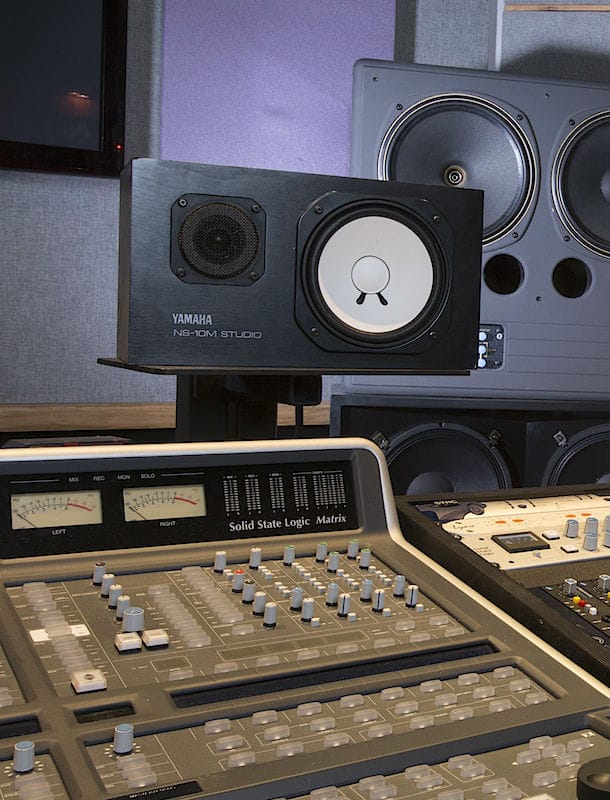
Tracking took place between January and March 2016 at SOTA Studios in Toronto. The facility features a Solid State Logic AWS 900+ console, running straight into an Avid Pro Tools HDX system at 24-bit resolution. Noel Campbell alternated between Yamaha NS-10M Studio monitors and Genelec 1032A active speakers to check transient punch and sub-bass extension.
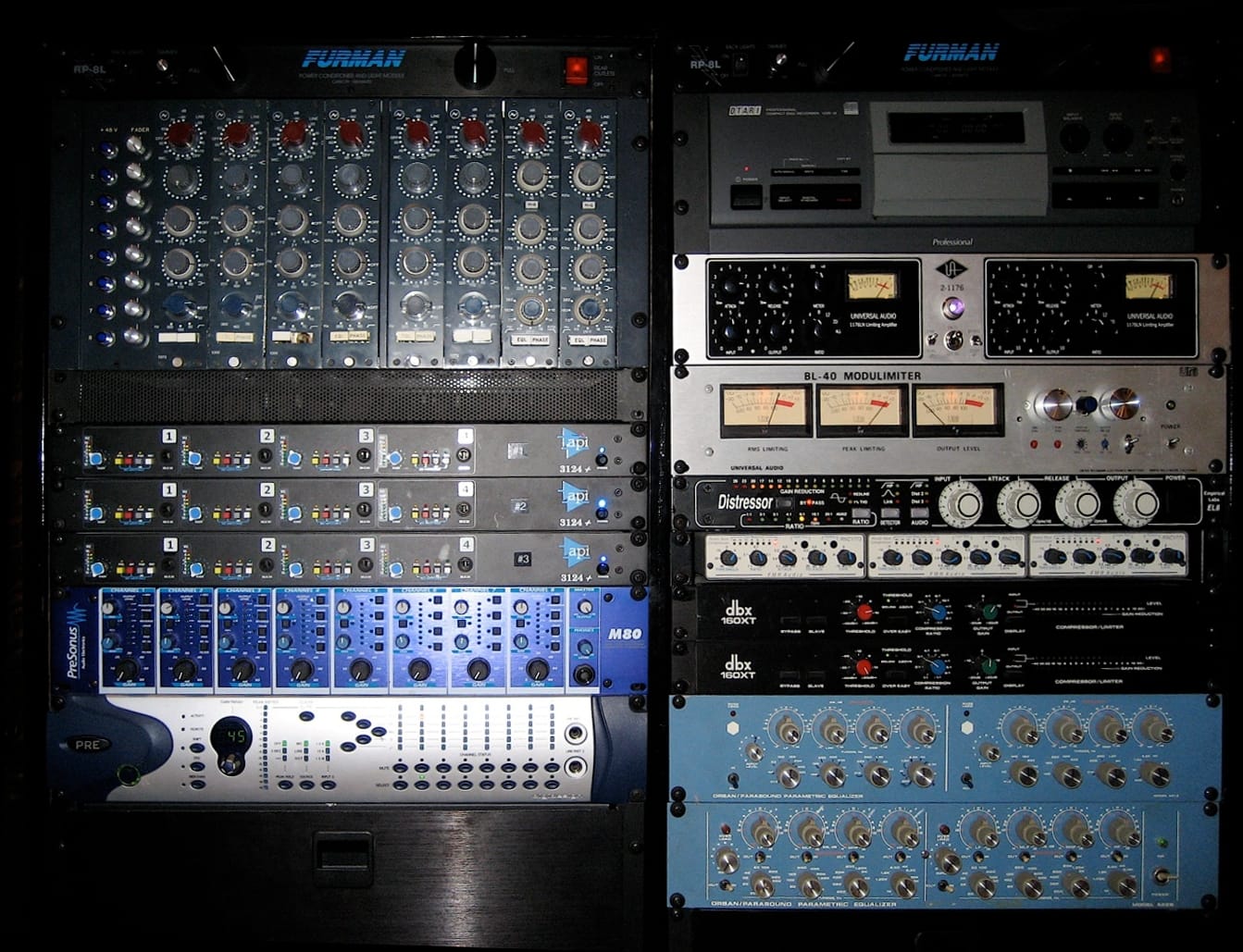
External hardware played a decisive role during mixdown at Studio 306 and SOTA Studios. Campbell routed the stereo mix bus through the console compressor and a Pultec EQP-1A tube program equalizer for low-end weight. A Bricasti Design M7 hardware reverb processor generated subtle algorithmic plate spaces across background vocals and piano cuts.
Campbell routed the stereo mix bus through the console compressor and a Pultec EQP-1A tube program equalizer for low-end weight.
Song fingerprints
Pitched UK-Funky ResamplingThe producers imported Kyla's vocal stem and shifted it up three semitones. This digital pitch change created a bright, syncopated bounce across the top of the track.
Underwater Low-Pass FilteringNoah Shebib placed a steep filter over the acoustic piano loop to roll off frequencies above 1 kHz. This darkens the keyboard, carving a hollow pocket for the dry lead vocal.
Hybrid Dem-Bow GrooveThe drum rhythm layers a standard four-on-the-floor kick under syncopated 3:2 rimshots. This hybrid pattern merges Afrobeats bounce with a driving pop backbone.
Sub-Bass SynthesisA clean sine-wave patch from Spectrasonics Omnisphere 2 sustains the lowest octaves. The rounded sub fills the low-end floor without intruding on the filtered piano chords.
Did you know?
- Kyla initially assumed the phone call from Drake's team to license her vocals was an April Fools' joke.
- Noah Shebib's producer nickname 40 originated from his ability to work uninterrupted 40-hour studio sessions.
- One Dance became the very first song in Spotify history to surpass one billion total streams.
Share this story
THE MIX CONSOLE
Chief mix engineer Noel Campbell shaped the balance on a Solid State Logic AWS 900+ hybrid desk, creating space for the rhythm section.One Dance · Drake
THE SAMPLE
Nineteen85 pitched the vocal chops up three semitones to introduce syncopation against the steady beat.One Dance · Drake
MASTER BUS HARDWARE
Campbell routed the stereo mix bus through the console compressor and a Pultec EQP-1A tube program equalizer for low-end weight.One Dance · Drake
instagram
x
From pitching Kyla's vocal stem to carving 1kHz low-pass piano pockets, here is how Drake tracked One Dance at SOTA Studios. #AudioEngineering #Drake #Afrobeats
tiktok
How 40 and Nineteen85 made One Dance sound so smooth: low-pass filters, Sony C-800G vocals, and Afrobeats rhythm. #producer #drake #musictech #studiolife
facebook
Go inside the Toronto sessions for Drake's One Dance. Learn how engineers Noah Shebib and Noel Campbell shaped this global hit. #MusicProduction #Mixing #Drake